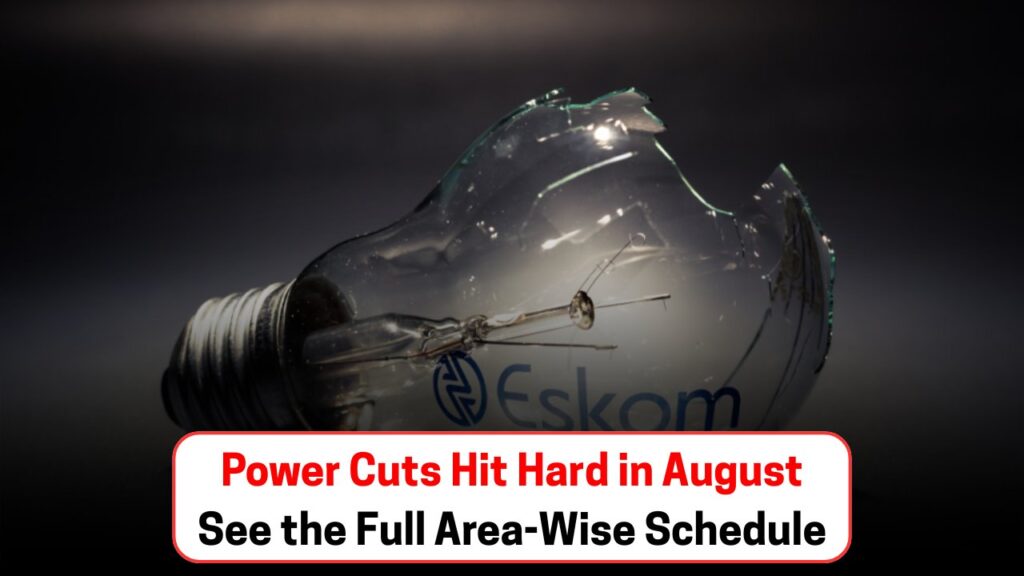
Eskom Stage 4 Load Shedding: South Africans brace themselves as Eskom has announced the implementation of Stage 4 load shedding for August. This decision comes in the wake of ongoing challenges faced by the national power utility to meet the country’s electricity demand. Load shedding, a measure to prevent the total collapse of the electricity grid, has become a recurrent issue, affecting both residential and industrial activities. This development has prompted citizens to seek alternative energy solutions while trying to understand the full impact on daily life. With Eskom releasing updated schedules, it is crucial for South Africans to stay informed about power cuts in their respective areas and prepare accordingly.
Understanding Stage 4 Load Shedding in South Africa
Stage 4 load shedding represents a critical point in South Africa’s energy management system. It involves the removal of 4,000 megawatts from the national grid, necessitating rotational power cuts across various areas. This stage is typically implemented when the electricity demand significantly surpasses supply due to factors such as unplanned breakdowns at power stations or delays in maintenance. For many, this means experiencing power outages for several hours a day, which can disrupt both personal and business activities. Eskom’s communication strategy includes releasing timetables to inform citizens about when they can expect these power cuts, thereby allowing them to plan their activities with minimal disruption. The power utility has also encouraged the public to use electricity sparingly to help alleviate the strain on the grid. By understanding the mechanics of Stage 4 load shedding, citizens can better navigate these challenging periods.
Areas Affected by Eskom’s Load Shedding in August
The announcement by Eskom has led to a keen interest in identifying the areas that will be affected by the Stage 4 load shedding in August. Typically, the schedule rotates among different regions, ensuring that no single area bears the brunt of power cuts continuously. Urban centers like Johannesburg, Cape Town, and Durban are often prioritized due to their high electricity consumption, although rural areas are not exempt from the cuts. It’s essential for residents to keep abreast of Eskom’s load shedding schedules, which are available on their official website and social media platforms. These schedules provide detailed information about the timing and duration of power outages, enabling citizens to make necessary adjustments in their daily routines. Knowing the affected areas in advance can help mitigate the inconvenience caused by these outages, allowing businesses to plan operations and individuals to schedule activities around power availability.
Preparing for Stage 4 Load Shedding in South Africa
Preparation is key to minimizing the impact of Stage 4 load shedding on daily life. South Africans are encouraged to implement energy-saving practices, such as using LED lighting, turning off non-essential appliances, and investing in solar energy solutions. Businesses, in particular, need to adopt contingency plans to ensure continuity during power outages. This could involve the use of generators or UPS systems to keep critical operations running. For households, having emergency kits with essentials like flashlights, batteries, and non-perishable food can make a significant difference during prolonged outages. Additionally, staying informed through reliable sources about the load shedding schedule can help individuals and businesses plan effectively. By adopting these strategies, the impact of load shedding can be lessened, making life a bit more manageable during these challenging times.

Long-term Solutions to Eskom’s Load Shedding Crisis
While immediate coping strategies are necessary, the long-term solution to Eskom’s load shedding crisis lies in addressing the root causes of South Africa’s energy challenges. This involves investing in infrastructure upgrades, promoting renewable energy sources, and enhancing the efficiency of power plants. The government and private sector must collaborate to create a sustainable energy plan that reduces reliance on an aging grid. Encouraging the development of independent power producers (IPPs) and diversifying energy sources can also contribute to a more resilient energy sector. Furthermore, public awareness campaigns about energy conservation can play a crucial role in reducing overall consumption. By focusing on these long-term strategies, South Africa can aim to overcome the persistent issue of load shedding and ensure a stable and reliable energy supply for its citizens.