Cape Town’s 6-Day Water Crisis: In recent weeks, Cape Town has found itself grappling with a severe water crisis that has left many residents concerned about the sustainability of their water supply. With taps running dry and water restrictions in place, this six-day emergency has sparked a wider conversation about water management and conservation in South Africa. As climate change and population growth continue to put pressure on our natural resources, the question on many people’s minds is whether their area could be next. By examining the causes and impacts of Cape Town’s situation, we can better prepare and implement strategies to mitigate similar crises in the future.
Understanding Cape Town’s Recent Water Crisis
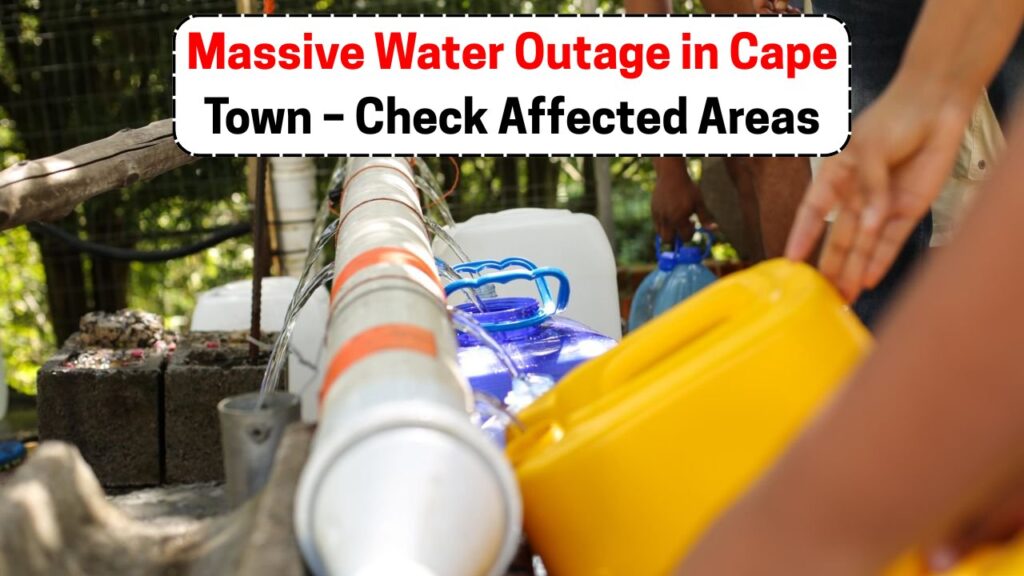
The roots of Cape Town’s recent water crisis can be traced to a combination of factors, including prolonged drought, aging infrastructure, and increasing water demand. Over the past decade, rainfall patterns in the Western Cape have become increasingly unpredictable, with long dry spells becoming more common. This has resulted in diminished water reserves, putting the city in a precarious position. Compounding these environmental challenges is a growing population that has escalated the demand for water resources. Unfortunately, Cape Town’s water management infrastructure has struggled to keep pace with these changes. The aging pipelines and treatment facilities have not been upgraded at the necessary rate, leading to inefficiencies and water loss. As a result, when the city experienced a sudden drop in water availability, the impact was immediate and severe. During this six-day period, residents faced stringent water restrictions, with limits on usage and encouragements to conserve every drop. This crisis has served as a wake-up call, highlighting the need for urgent action in water conservation and infrastructure investment. By addressing these issues head-on, Cape Town can work towards a more resilient future, where such crises are less likely to occur.
Could Your Area Face a Similar Water Crisis?
As Cape Town navigates its way out of this crisis, other regions in South Africa are left to wonder if they might face a similar fate. The reality is that many areas across the country are vulnerable to water shortages, particularly in the face of climate change. Regions that experience irregular rainfall patterns or rely heavily on a single water source are at heightened risk. For instance, cities like Johannesburg and Durban, which have also experienced dry spells in recent years, could find themselves in a similar situation if proactive measures are not taken. One of the key steps in preventing a water crisis is the implementation of effective water management strategies. This includes diversifying water sources, such as investing in desalination plants, rainwater harvesting systems, and recycling wastewater. Additionally, improving infrastructure to reduce leaks and inefficiencies can significantly contribute to long-term water security. Public awareness and education are equally vital in ensuring that residents understand the importance of water conservation. Simple actions, such as reducing daily water usage and fixing leaks promptly, can collectively make a significant difference. By taking these proactive steps, communities across South Africa can safeguard their water resources and reduce the likelihood of experiencing a crisis similar to Cape Town’s.
Lessons Learned and Future Strategies for Water Conservation
The recent water crisis in Cape Town has offered valuable lessons that can guide future water conservation efforts not only in the city but across the nation. One of the most critical takeaways is the importance of early intervention. By identifying potential threats to water security and taking action before a crisis occurs, the negative impacts can be mitigated. This involves regular assessments of water reserves, infrastructure evaluations, and the development of contingency plans. Another lesson is the need for collaboration between government bodies, private sectors, and communities. When stakeholders work together, innovative solutions can be developed and implemented more effectively. For example, partnerships with technology companies can lead to the creation of smart water management systems that monitor usage and detect leaks in real time. Furthermore, engaging the community through educational campaigns can foster a culture of conservation and responsibility. Encouraging citizens to participate in water-saving initiatives and providing incentives for reduced consumption can have a lasting impact. By embracing these lessons and strategies, South Africa can move towards a more sustainable and resilient approach to water management, ensuring that future generations have access to clean and reliable water sources.
Preparing for the Future: Building Resilient Water Systems
In light of the challenges faced by Cape Town, it’s clear that building resilient water systems is paramount for the future. This involves a holistic approach that encompasses policy changes, technological advancements, and community engagement. Policymakers must prioritize the development and enforcement of water conservation regulations that are adaptable to changing environmental conditions. Investing in research and innovation is also crucial for discovering new methods of water preservation and management. Embracing technology, such as data analytics and predictive modeling, can enhance our ability to forecast and respond to water-related challenges. Additionally, infrastructure upgrades are necessary to ensure efficient water distribution and minimize losses. This includes modernizing treatment plants, expanding storage capacity, and implementing smart water networks that optimize resource allocation. Community involvement remains a cornerstone of building resilience. By empowering residents with knowledge and resources, they can become active participants in safeguarding water supplies. Educational programs, workshops, and incentives can motivate individuals to adopt sustainable practices that collectively strengthen water security. As South Africa continues to face environmental and developmental pressures, a concerted effort to build resilient water systems will be vital in ensuring the longevity and prosperity of its people.