Brace for Wet and Chilly Days: South Africa is gearing up for a weekend that promises heavy rain and a significant cold front, affecting multiple regions across the country. This weather shift is expected to bring a substantial drop in temperatures along with persistent rainfalls, particularly in provinces like the Western Cape and Eastern Cape. Residents are advised to prepare for adverse weather conditions as the South African Weather Service has issued warnings about potential flooding and disruptions. The weekend forecast highlights the need for caution, particularly for those planning outdoor activities or travel.
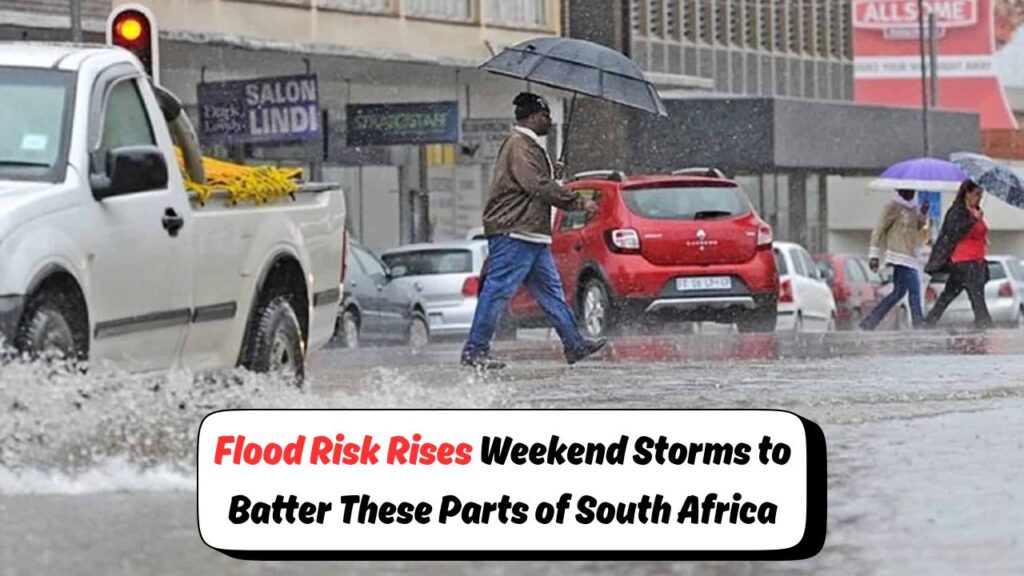
Heavy Rain and Cold Front to Impact South African Provinces
As forecasted, the impending heavy rain and cold front are set to have a noticeable impact on various South African provinces. The Western Cape, known for its unique Mediterranean climate, will see a marked deviation from its typical weather patterns. Rainfall in this region is expected to be particularly intense, with predictions indicating the potential for localised flooding. The Eastern Cape will also experience significant downpours, causing concerns for areas prone to landslides and soil erosion. These weather conditions may lead to traffic disruptions, especially in rural areas where road infrastructure is more susceptible to weather-induced damage. Authorities are urging residents to stay informed about weather updates and to take necessary precautions to ensure safety and minimise inconvenience.
Preparing for a Wet Weekend: Safety Tips and Precautions
With the forecast of a wet weekend looming, it’s crucial for South Africans to take proactive measures to stay safe. One of the primary concerns during such weather events is the risk of flooding. Residents living in low-lying areas should be particularly vigilant and ready to evacuate if necessary. It’s advisable to have an emergency kit prepared, including essential items such as water, non-perishable food, flashlights, and batteries. Motorists are cautioned to avoid driving through flooded roads and to keep a safe following distance in wet conditions to prevent accidents. Additionally, securing outdoor furniture and ensuring that drainage systems are clear can help mitigate potential damage to property. By staying informed and prepared, individuals can better navigate the challenges posed by the severe weather.
Weather Warnings and Advisories for the Weekend
The South African Weather Service has issued several weather warnings and advisories ahead of the weekend’s expected storms. These warnings aim to keep the public informed and ready to act in response to changing weather conditions. Alerts for heavy rainfall and strong winds have been issued, particularly for coastal regions where the impact is anticipated to be more severe. Fishermen and those involved in maritime activities are advised to exercise extreme caution due to rough sea conditions. Local municipalities are on high alert and are coordinating with emergency services to ensure a swift response to any incidents arising from the adverse weather. It is crucial for residents to heed these warnings and follow guidance from local authorities to ensure their safety and that of their community.

Impact of Cold Front on South African Agriculture
Beyond immediate safety concerns, the cold front poses potential long-term effects on South Africa’s agricultural sector. Farmers in affected areas are bracing for the impact that the heavy rain and low temperatures may have on crops and livestock. Excessive moisture can lead to crop spoilage, particularly for fruits and vegetables nearing harvest. Additionally, the cold can affect the health of livestock, necessitating measures to provide adequate shelter and warmth. The agricultural community is encouraged to monitor weather updates closely and implement strategies to safeguard their livelihoods. This includes ensuring that irrigation systems are adaptable to prevent waterlogging and that animals have access to dry feed and bedding. By taking these steps, farmers can mitigate some of the adverse effects of the cold front and preserve their produce and livestock.