Water Crisis 2025: As the year 2025 looms closer, South Africa faces an alarming situation with its water resources. The nation is on the verge of a severe water crisis, with five provinces teetering on the brink of what is now being referred to as ‘Day Zero’. This term, which gained infamy during Cape Town’s water scarcity issues a few years ago, signifies a day when taps run dry, and citizens must rely on alternative water sources. With the potential for such a crisis to devastate communities and economies, the government has unveiled a series of emergency plans to mitigate the impact. The focus is on immediate action and long-term strategies to ensure water sustainability in the face of climate change and increasing demand.
Emergency Strategies to Combat the Water Crisis
As the water crisis of 2025 approaches, the South African government has rolled out a comprehensive set of emergency strategies aimed at preventing the impending disaster. The plans are multi-faceted, addressing both immediate and long-term needs. In the short term, water rationing has been implemented in areas most at risk, with strict usage limits set for both households and businesses. Water conservation campaigns are being intensified, educating the public on the importance of reducing water waste. Simultaneously, the government is investing in infrastructure to repair and upgrade aging water systems, which are responsible for significant water loss through leaks and inefficiencies.
Long-term strategies involve more sustainable solutions, such as the development of desalination plants along the coastlines to convert seawater into potable water. Additionally, there is a push for increased use of greywater systems, which recycle water from baths, sinks, and washing machines for irrigation and other non-potable uses. The government is also exploring partnerships with private companies to innovate and implement water-saving technologies. These combined efforts are crucial, not only for averting the immediate crisis but also for securing water resources for future generations.
Impact on Affected Provinces and Local Communities
The looming water crisis of 2025 poses significant challenges for the five provinces most at risk, namely Gauteng, Western Cape, Eastern Cape, KwaZulu-Natal, and Limpopo. Each of these regions faces unique challenges due to their geography, climate, and population density. In Gauteng, the economic hub of South Africa, a water shortage could severely impact businesses, leading to job losses and economic downturns. In the Western Cape, known for its agricultural output, a lack of water threatens food production and the livelihoods of thousands of farmers.

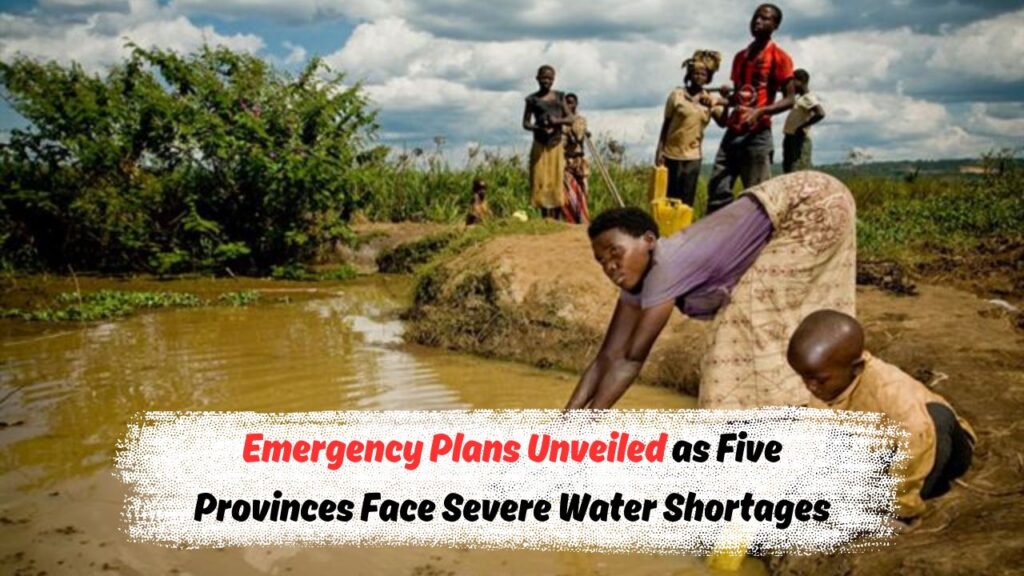
Local communities are also feeling the strain as they prepare for potential shortages. Many residents are already experiencing reduced water pressure and intermittent supply disruptions. Community leaders and NGOs are playing a vital role in raising awareness and helping to implement local water-saving initiatives. In rural areas, where access to water is already limited, the crisis exacerbates existing challenges, making it even more difficult for families to secure their daily needs. The government’s emergency plans aim to prioritize these vulnerable communities, ensuring they receive the support and resources needed to navigate the crisis.
Technological Innovations in Water Management
In response to the water crisis of 2025, technological innovation is playing a key role in enhancing water management across South Africa. The integration of smart water meters is one such innovation, allowing for real-time monitoring of water usage and enabling both individuals and municipalities to detect leaks and inefficiencies promptly. These systems provide valuable data that can inform better water management practices and help enforce usage limits during critical periods.

Another promising technological advancement is the use of satellite imagery and remote sensing to monitor water levels in reservoirs and rivers. This technology provides accurate and up-to-date information, aiding in the effective allocation of water resources. Furthermore, advancements in water purification technology, such as membrane filtration and UV treatment, are being deployed to ensure that available water is safe for consumption. By investing in these technologies, South Africa aims to not only address the immediate challenges posed by the water crisis but also build a resilient water management system capable of withstanding future pressures.
Community Involvement and Public Awareness
Community involvement and public awareness are critical components of South Africa’s strategy to tackle the water crisis of 2025. Public campaigns are being ramped up to educate citizens on water conservation techniques and the importance of preserving this vital resource. Schools and universities are incorporating water conservation into their curricula, empowering the younger generation with the knowledge and tools to make a difference.
Local communities are also taking proactive steps to manage their water usage. Rainwater harvesting systems are being installed in homes and public buildings to capture and utilize rainwater effectively. Community workshops are being held to teach residents how to implement water-saving practices, such as using mulch to reduce evaporation from soil and planting drought-resistant vegetation. By fostering a culture of conservation, these efforts aim to reduce water consumption across the board.

Moreover, partnerships between government entities, non-profit organizations, and the private sector are crucial in amplifying the impact of these initiatives. By working together, these groups can leverage resources and expertise to develop sustainable solutions that address the root causes of the water crisis. Through collective action, South Africa hopes to not only avert the immediate threat of Day Zero but also establish a foundation for long-term water security.